
Bajaao Keyboard Buying Guide
Weighted vs Non-Weighted Keys: Which keyboard is right for you in 2026?
Key action shapes everything about how a keyboard feels under your fingers — and it's the single most confusing decision for new players. Here's a clear, no-jargon breakdown to help you choose with confidence.
In a hurry? The 10-second answer
Learning real piano? Choose weighted (hammer-action) keys. Producing music, gigging, or starting on a budget? Non-weighted or semi-weighted keys are lighter, cheaper and more versatile. Read on for the full picture.

What are weighted keys?
Weighted keys are built with added resistance inside each key so they push back against your fingers — much like the keys on a traditional acoustic piano. Instead of the light, springy bounce of a basic keyboard, you get a heavier, more controlled motion that rewards proper technique.
How weighted keys work
Acoustic pianos use small hammers that strike strings, and that mechanism gives each key its natural weight. Digital pianos recreate this feeling using internal weights or a true hammer mechanism, so the keys respond and recover the way an acoustic instrument would. The result is a touch that feels authentic and expressive.
Types of weighted actions
- Semi-weighted — a light spring plus a small added weight; a middle ground between feel and speed.
- Fully weighted — consistent resistance across the keyboard for a piano-like touch.
- Hammer action — uses real hammers to mimic an acoustic piano's mechanism closely.
- Graded hammer action — heavier in the low notes and lighter in the high notes, exactly like a grand piano.
Why players love them
- Authentic, real-piano feel
- Builds genuine finger strength
- Improved dynamics and expression
- Makes the jump to an acoustic piano effortless
What to keep in mind
- Heavier and less portable
- Higher price point
- Less ideal for fast synth and lead playing
What are non-weighted keys?
Non-weighted keys use a simple spring mechanism, giving them a light, fast touch. They take very little effort to press, which makes them comfortable for long sessions and ideal for sounds that don't depend on piano-style dynamics.
How non-weighted keys work
When you press a non-weighted key, a spring underneath provides the push-back and snaps the key back into place. There's no hammer or added weight, so the action stays light and responsive — perfect for quick passages, synth leads and organ parts.

Where they shine
- Light and highly portable
- Far more affordable
- Beginner-friendly and easy to play
- Excellent for synth and organ sounds
The trade-offs
- Less realistic piano experience
- Tougher transition to a real acoustic piano
Weighted vs non-weighted: side-by-side
A quick reference for how the two key types stack up across the things that matter most.
| Feature | Weighted Keys | Non-Weighted Keys |
|---|---|---|
| Piano feel | Excellent | Basic |
| Portability | Heavy | Lightweight |
| Price | Higher | Lower |
| Piano learning | Best | Good for beginners |
| Finger development | Better | Limited |
| Live performance | Moderate | Excellent |
| Synth playing | Average | Excellent |
| Realistic dynamics | High | Low |
What are semi-weighted keys?
Semi-weighted keys combine a spring-based action with a small amount of added weight. The result is a touch that's heavier than a basic keyboard but lighter than a full hammer action — a sweet spot that's hugely popular with home-studio musicians.
Who should choose semi-weighted keys?
- Producers who want feel without sacrificing speed
- Content creators recording at home
- Hobbyists who play a bit of everything
- Intermediate players wanting versatility
Not sure which key action is right for you?
Explore Bajaao's collection of keyboards and digital pianos for every skill level and budget.
Shop Keyboards NowWhich is better for…
🎓 Learning piano
For children, the right choice depends on commitment level — a non-weighted board is fine to test the waters. Serious students should go weighted to build proper technique. Casual learners can comfortably start on a non-weighted keyboard.
🎛️ Music production
MIDI controllers are usually non-weighted or semi-weighted. Lighter keys mean faster playing and easier programming of virtual instruments, which keeps your studio workflow quick and fluid.
🎤 Live performance
Gigging keyboardists often prefer non-weighted boards for their light weight and portability. Pianists performing piano-centric music lean toward weighted keys for authentic touch and dynamics.
🏠 Practising at home
If you want the closest thing to an acoustic piano without the size or upkeep, a fully weighted digital piano delivers the most rewarding daily practice experience.
Top keyboards for every kind of player
Hand-picked picks across weighted, non-weighted and semi-weighted actions — available at Bajaao.
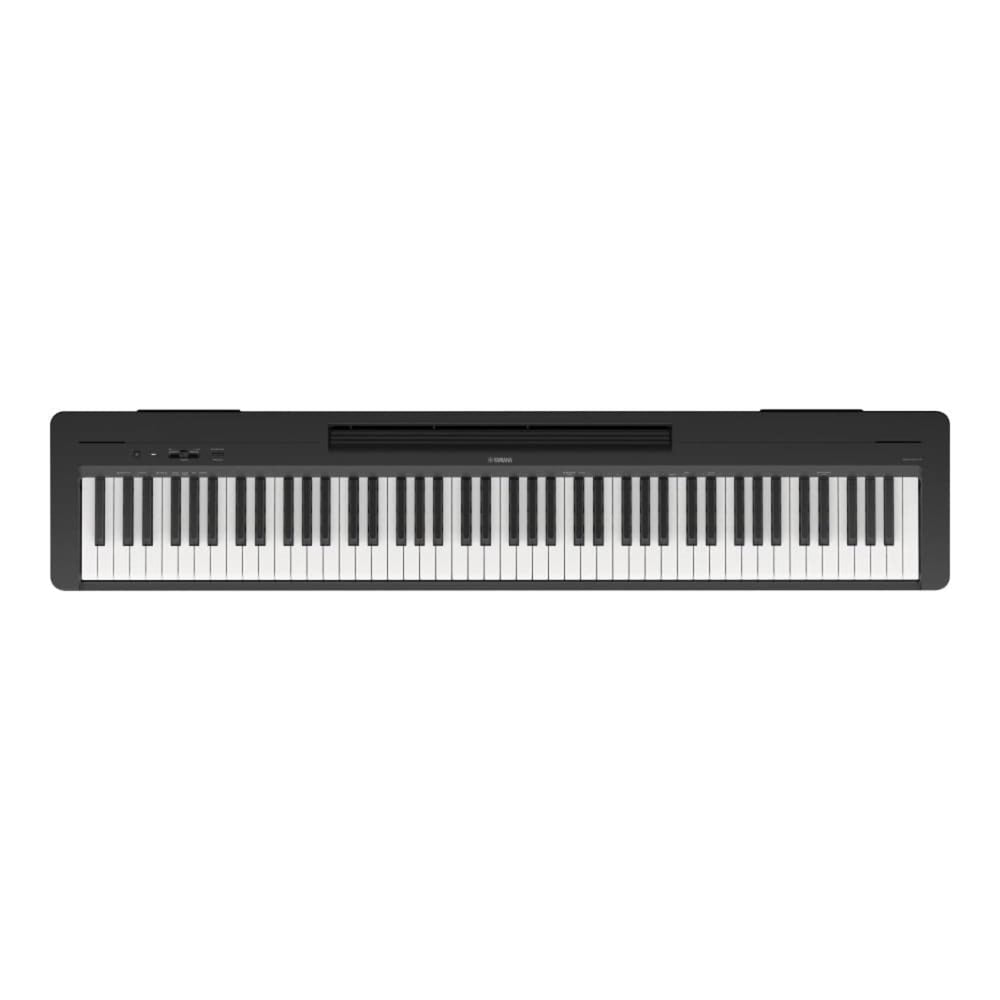
Yamaha P-Series Digital Piano
Graded hammer-action keys and authentic grand-piano tone — the go-to for serious piano learners.
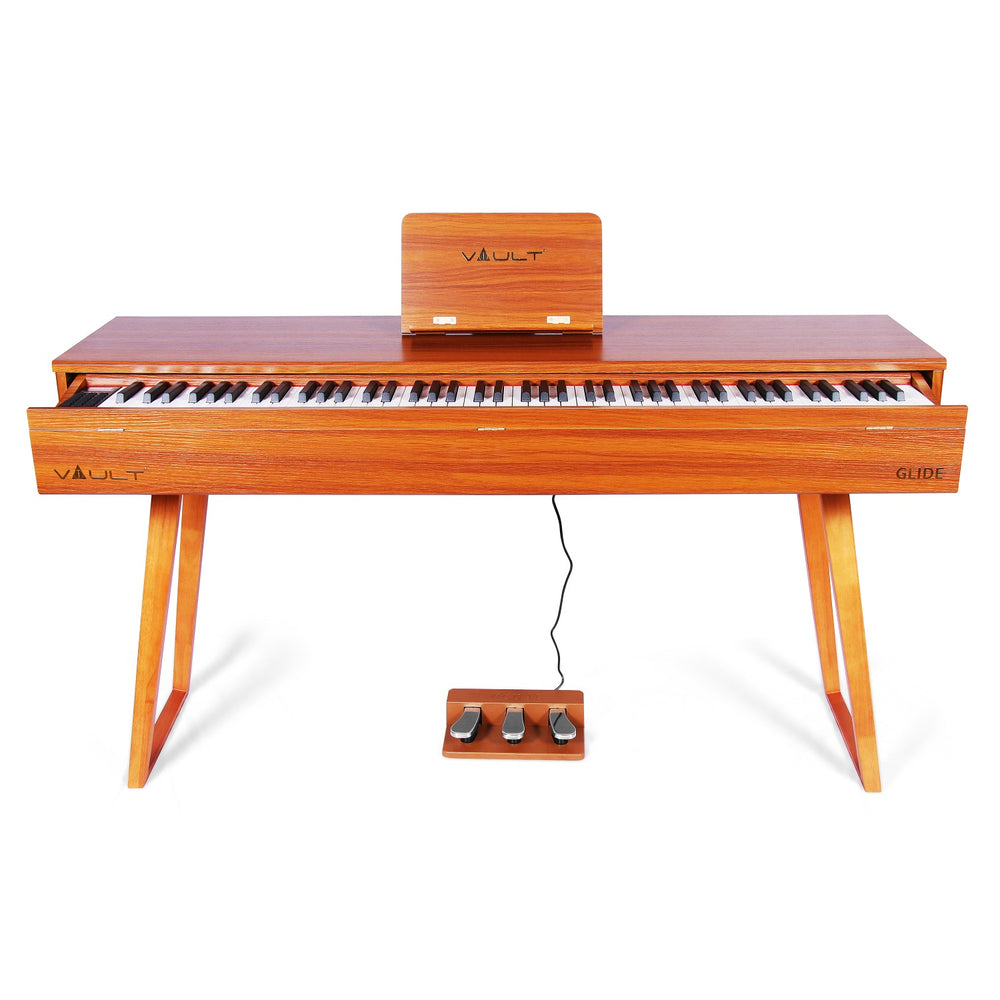
Vault Digital Piano Range
Fully weighted feel at a value-friendly price — a smart pick for home practice on a budget.
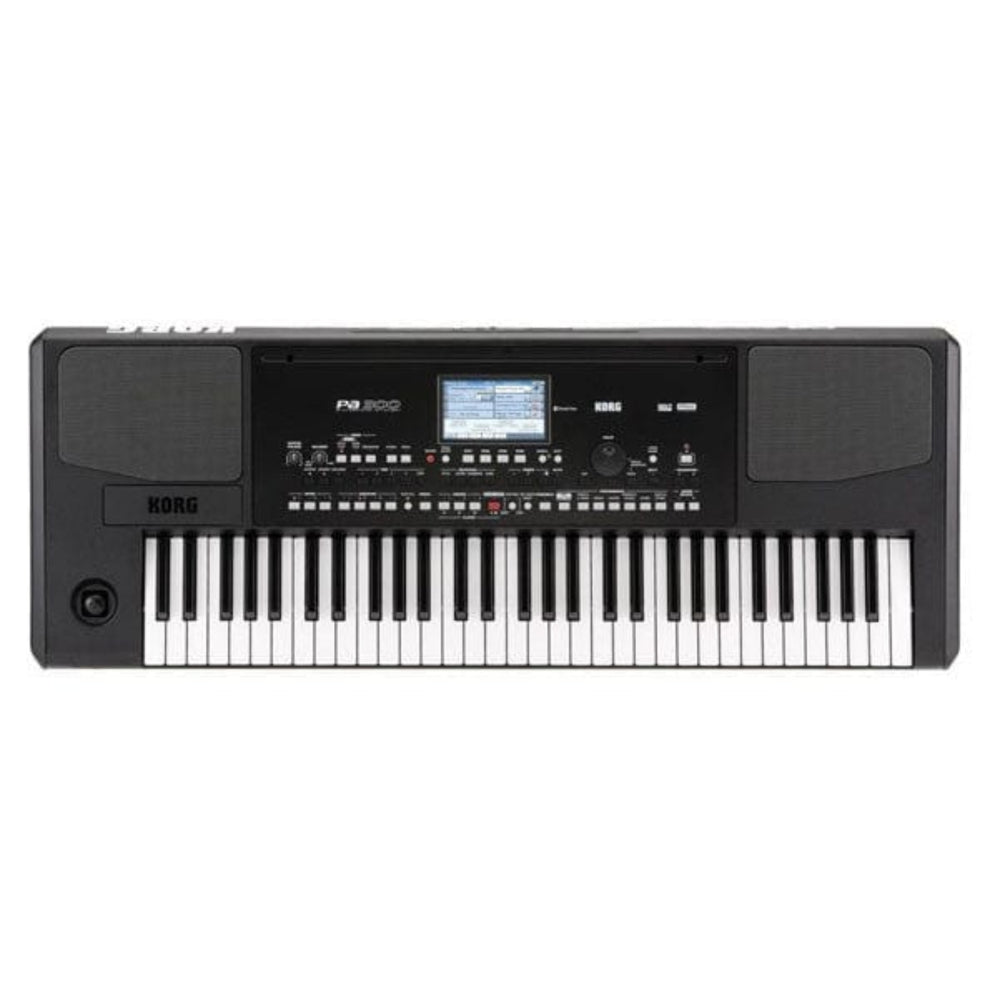
Korg Keyboards
Light, touch-sensitive keys with rich onboard sounds and styles — a dependable first keyboard.

Vault Portable Keyboards
Affordable, lightweight and easy to play — ideal for first-timers and younger players.

M-Audio MIDI Controllers
Responsive semi-weighted keys built for fast, expressive programming in your DAW.
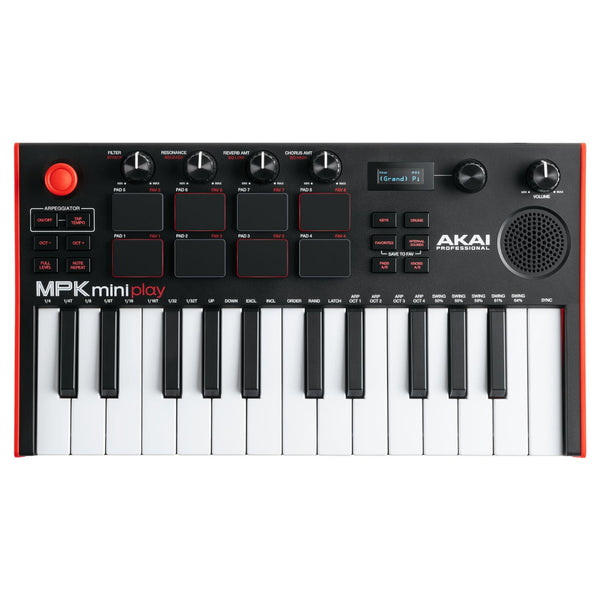
Akai Professional MPK Series
Keys, pads and controls in one — a studio workhorse for beat-makers and producers.
Find your perfect keyboard
Compare beginner keyboards, digital pianos and MIDI controllers from Vault, Henrix, Yamaha, M-Audio and more.
Browse Top-Rated ModelsWhich keyboard should you buy?
- You want to learn piano properly
- You plan to play acoustic pianos
- You value realistic touch
- You need portability
- You play synths and organs
- You're on a tighter budget
- You do music production
- You want all-round versatility
- You need feel and portability
Final verdict at a glance
Ready to start playing?
Whether you're learning piano, producing music or performing live, Bajaao has the right keyboard for your needs.
Explore Keyboards & Digital Pianos


Share:
MIDI Keyboards vs Digital Pianos: What’s Right for You?
Top 10 Studio Monitors for Home Studios in 2026